Classic Shoe Care Clipart Review for Embroidery Projects
A First Look at Classic Shoe Care Clipart
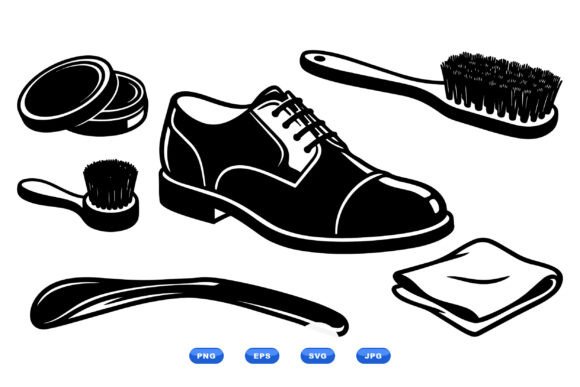
When I first opened the Classic Shoe Care Clipart file, I was struck by its clean, vintage-inspired aesthetic. The line art vector features a polished oxford shoe paired with brushes, polish tin, cloth, and a shoehorn—all rendered in simple, elegant lines. It has a timeless quality that feels perfect for projects leaning into classic or retro themes.
The mood it creates is one of sophistication and care, which makes me think immediately of boutique branding, handmade gift items, or even packaging design. The layout is balanced, with each element spaced out just enough to avoid clutter but still feel cohesive as a group. This kind of detail level suggests it would work well as an applique design or part of a larger illustration set.
How Classic Shoe Care Clipart Performs in Real Embroidery
If I were using this design for a custom embroidered tote bag or sweatshirt, I’d be looking for clarity in the stitch lines and how the elements interact with each other. The brush strokes and tin details are fine but not overly intricate, which means they should translate well to most embroidery machines without requiring excessive stitch density.
For a handmade product like a baby item or holiday gift, the simplicity of the machine embroidery design could be a plus. It’s not too busy, so it won’t overwhelm smaller garments or delicate fabrics. However, if you're aiming for a more detailed look on a custom apparel piece, you might need to consider adding texture or color through thread choices.
I can see this design working especially well on embroidered patches or tote bag designs, where the vintage feel aligns with the product's theme. It also has potential as a printable mockup for packaging or editorial use, giving a classic touch to digital product previews or craft business branding materials.
Where to Use Classic Shoe Care Clipart with Caution
While the design is versatile, there are some scenarios where extra care is needed. On small hoop sizes, the finer details like the brush bristles or tin edges may get lost or distorted. Testing the design on scrap fabric before committing to a final project is always a good idea, especially when working with textured fabrics or thin fabric.
If you plan to use this on dark fabric, make sure the thread colors contrast well with the background. A black or navy base might require white or metallic threads to maintain visibility. Similarly, stretchy fabric like knits will need proper stabilizer to prevent distortion during stitching.
For curved surfaces like caps or hats, the layout of the design might need adjustments to fit the shape properly. Also, if you're planning to use it on layered garments or products that need frequent washing, ensure the stitch density is appropriate for durability.
Design Notes for Embroidery Professionals
Before using Classic Shoe Care Clipart in a real project, take the time to test it on different types of fabric. Check the stitch density and adjust as needed, especially around areas with high detail. If you’re using it for both personal and commercial projects, confirm the licensing terms to ensure compliance.
Consider reviewing the embroidery file in black and white mockups to see how the lines hold up under different lighting conditions. Also, compare the design against light and dark fabric backgrounds to ensure it remains visually appealing in all contexts.
For Etsy sellers or small shop products, this design could be a great addition to a collection of vintage-themed design assets. It adds a professional edge to handmade items and can help build brand consistency across your product range.
Remember, the key to success with any digital embroidery file is preparation. Always inspect small details, choose the right thread colors, and confirm the hoop size before starting your project. With these steps, Classic Shoe Care Clipart can become a valuable asset in your creative toolkit.